
 English
 Español
 한국어
한국어 العربية
Контейнер для сточных вод
Certainly — here is an approximately 500-word English description of a wastewater container, with no company name included:---A wastewater container is a specialized storage and collection unit designed to safely hold used water and liquid waste generated from domestic, industrial, commercial, or agricultural activities. It plays an important role in wastewater management by temporarily storing contaminated water before treatment, disposal, or transport to a processing facility. Depending on the application, wastewater containers can be made from different materials such as high-density polyethylene, stainless steel, reinforced fiberglass, or coated steel to ensure durability, chemical resistance, and long service life.Wastewater containers are commonly used in places where direct drainage is not available or where waste liquids must be collected separately for environmental and safety reasons. They are widely applied in construction sites, manufacturing plants, laboratories, food processing facilities, farms, medical institutions, and mobile sanitation systems. In each of these settings, the container helps prevent leakage, contamination, and uncontrolled discharge of harmful liquids into the environment.The design of a wastewater container usually focuses on secure storage and convenient handling. Many containers are built with sealed lids, anti-corrosion linings, venting systems, level indicators, and inlet and outlet connections for easy filling and emptying. Some models also include filters, sediment traps, or overflow protection to improve performance and reduce maintenance needs. Larger containers may be installed underground or mounted on transport frames, while smaller units are often portable and easy to move.One of the key advantages of a wastewater container is its ability to support environmental protection. By collecting wastewater in a controlled way, it reduces the risk of soil pollution, water contamination, and public health hazards. It also helps facilities comply with environmental regulations and waste management standards. In industries where wastewater contains oils, chemicals, organic matter, or heavy particles, the container serves as the first stage of containment before treatment or recycling.Maintenance is an important part of wastewater container operation. Regular inspection is needed to check for cracks, corrosion, blockages, or odor issues. Cleaning should be performed according to the type of waste stored inside to prevent buildup and bacterial growth. Proper maintenance extends the service life of the container and ensures safe operation over time.Wastewater containers are available in different sizes and configurations to meet varying needs. Small units may be used for temporary collection in portable systems, while large-capacity containers are suitable for industrial or municipal wastewater storage. Customization is also common, allowing users to select specific shapes, fittings, insulation, and material properties based on the nature of the wastewater and the operating environment.In modern waste management systems, wastewater containers are an essential component. They provide a practical, reliable, and environmentally responsible solution for storing contaminated liquids before further treatment or disposal. With strong construction, safety features, and flexible applications, a wastewater container helps improve sanitation, support compliance, and protect natural resources.---If you want, I can also make it:1. more technical, 2. more marketing-style, or 3. SEO-friendly product description.
продукт
классификация:
-
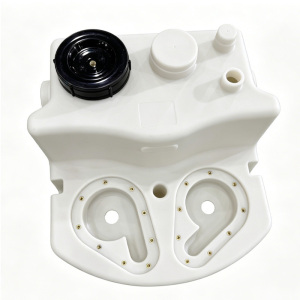
Бак для сточных вод
Их классификация: Ротоформовочная коробкамнения: 277номер:Время выпуска: 2026-06-23 09:26:34
новости
классификация:
-
[FAQ]Advanced Injection Molding Box Technology Supports Modern Lo...
2026-08-22 15:38:45 -
[Company News]Heavy-Duty Injection Molding Box Solutions Strengthen Supply...
2026-09-06 15:44:50 -
[Industry News]Durable Injection Molding Box Solutions Meet Growing Demands...
2026-10-06 15:54:15 -
[FAQ]Premium Injection Molding Box Design Offers Long-Lasting Per...
2026-10-09 15:56:06
случай
классификация:
Нет результатов поиска!
видео
классификация:
Нет результатов поиска!
скачать
классификация:
Нет результатов поиска!
вербовка
классификация:
Нет результатов поиска!
Рекомендуемые продукты
Нет результатов поиска!



 телефон